
Chilled Water vs Air-Cooled Cooling for Data Centers
Both reject heat to the outdoors. One uses evaporated water to do it more efficiently; the other uses ambient air and uses no water on site. Climate, water cost and scale decide.
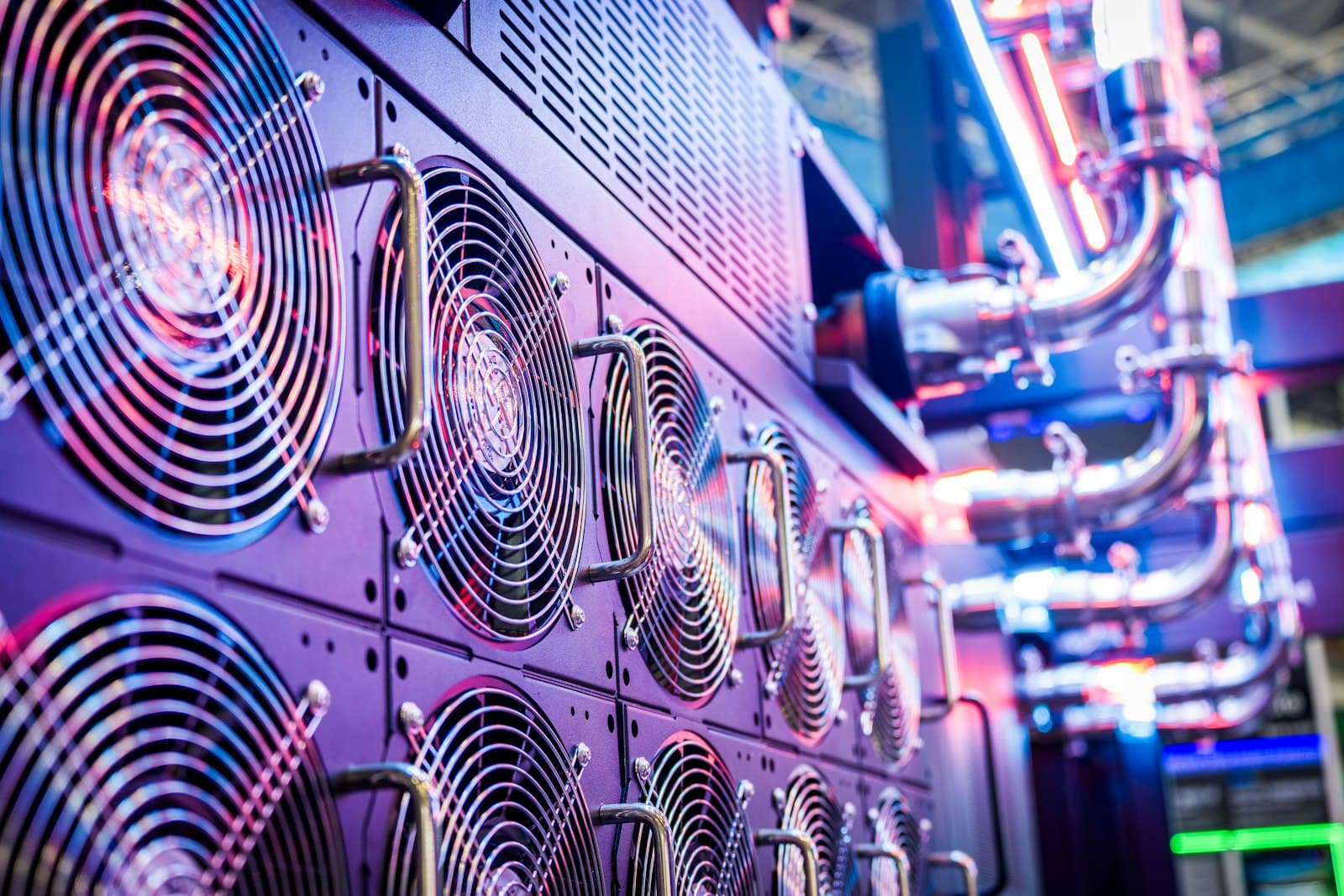
Side by side
| Air-cooled | Water-cooled | |
|---|---|---|
| Heat rejection | Fans move outdoor air over the condenser | Condenser water loop to cooling towers |
| Water use on site | Little to none | Evaporation, blowdown and treatment |
| Efficiency | Falls as ambient temperature rises | Generally better, especially in hot climates |
| Plant complexity | Simpler | Pumps, towers, water treatment |
| Footprint | Large outdoor area for condensers | Towers plus plant room |
The comparisons are general; use manufacturer data and climate data for a real decision.
What decides it
- Climate: ambient temperature and humidity set achievable efficiency and free-cooling hours.
- Water: availability, cost and local rules. See WUE explained.
- Scale: larger capacity favours efficiency gains.
- Operations: water treatment and tower maintenance need skills and procedures.
- Electrical load: affects PUE and the demand the electrical system must serve.
See also cooling systems explained and the cooling load calculator.
Written by the Vision Matrix Institute editorial team. Worked examples use stated, illustrative assumptions; check them against your project data, the applicable standards and manufacturer datasheets before use.
Frequently Asked Questions
What is the difference between air-cooled and water-cooled chillers?
Air-cooled chillers reject heat directly to outdoor air using fans. Water-cooled chillers reject heat to a water loop that goes to a cooling tower, which evaporates some water to reject the heat.
Which is more energy efficient?
Water-cooled systems are generally more efficient at the chiller, particularly in hot climates, but need pumps, towers and water treatment. Compare the whole system, not the chiller alone.
Which uses less water?
Air-cooled chillers use little or no water on site. Water-cooled systems consume water through evaporation, which shows up in WUE.
Can a facility use both?
Yes. Some designs combine them or add free cooling so the plant mode changes with outdoor conditions.
Want to learn this properly?
This topic is covered in depth in our Electrical Design – Data Center Specialist program.
Ask us on WhatsAppLearn to do this on a full project in the Electrical Design – Data Center Specialist program, or read the data center design guide.